Parenting as Myth-making: The Stories We Inherit and The Memories We Create
Parents are storytellers.
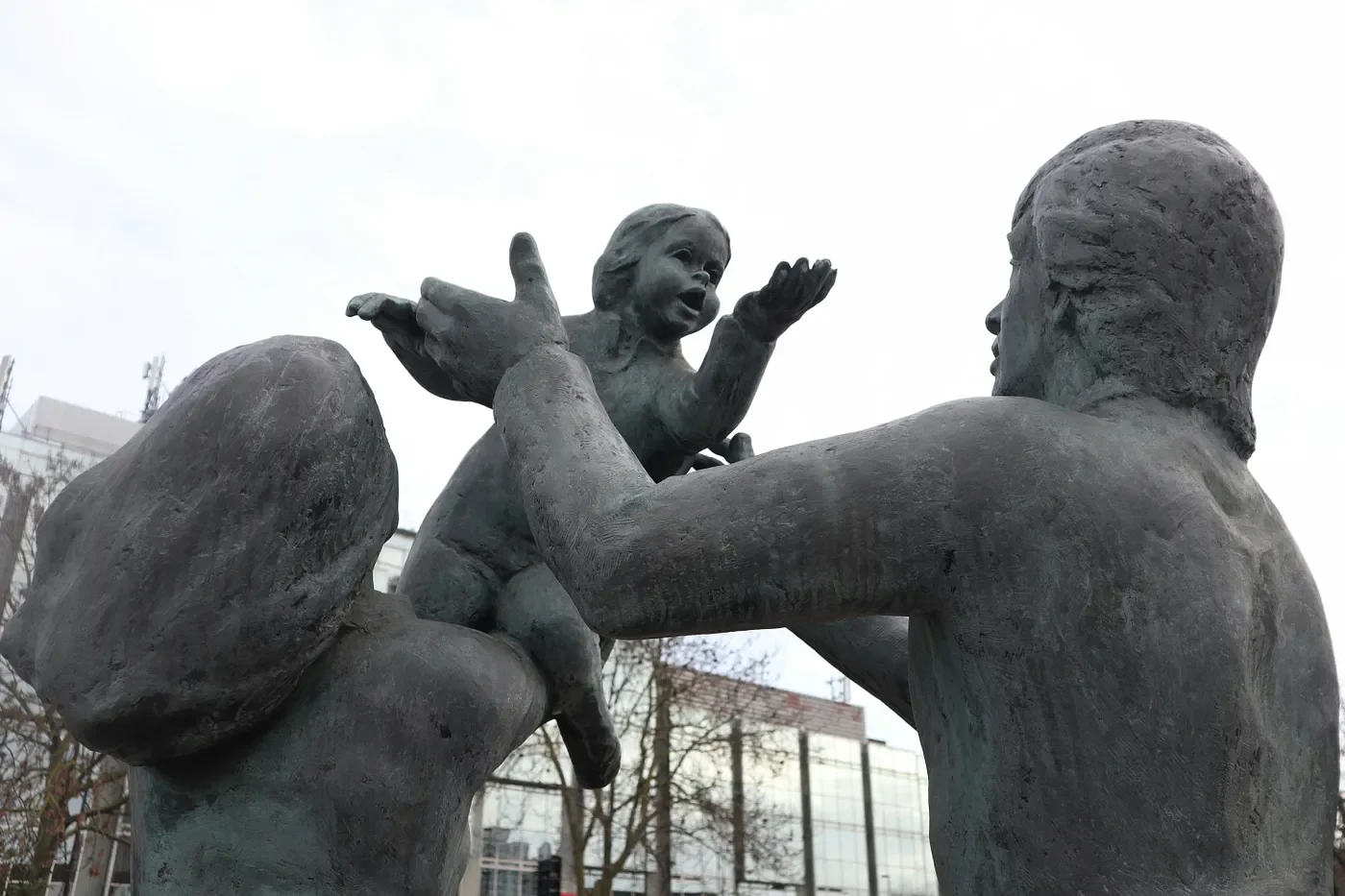
Photo by Call Me Fred on Unsplash
Let’s start with the beginning…as I know it.
His name was Frank Walter Tarczynski. But his name could’ve been Francis. Or it might have been a Polish version of Frank such as Franciszek.
He was born sometime in 1911 in Chicago, Illinois. When he was 20 he married a woman named Victoria. Not much is known or remembered about her either.
Frank and Victoria would have six children together: Theresa, Delores, Anthony, Ronald, Frank Junior, and Joseph. In that order.
Sometime in the fall/winter months of 1950, Frank left with a few friends on a hunting trip somewhere in Wisconsin, just across the border of Illinois.
During the trip — whether he was arriving or leaving, those details are lost — Frank and his friends drove across a railroad crossing the same time a train came dashing by.
From that point Frank Walter Tarczynski’s story ended and his myth began.
No one knows exactly what happened. Or at least, the people who did know are no longer alive to correct any of my errors.
The story told to me by my father, Ronald, Frank and Victoria’s second son, is that my grandfather Frank’s body was found several yards away from the tragic accident. A trail of blood behind him suggests he tried to crawl to safety in hopes of survival.
No one alive knows anything more about Frank and his life. A few details live on through online databases of census tracking and his children’s birth certificates.
Through my research, I found out that his wife Victoria, my grandmother, would file several lawsuits for wrongful death but no verdict ever returned a decision in her and her children’s favor.
A seemingly interesting detail that my dad never shared with his family.
The reason I tell this story is because Frank Walter Tarczynski only exists as a brief story, a myth that may die when my time comes. The man who fathered the man who fathered me. And that’s all I know of him.
My boys have the privilege to carry on my last name. But part of carrying on a name is knowing the story behind the name. And I don’t know much about mine.
It makes it challenging when my two young boys ask me about my grandfather. “What was he like? Did you know him? Did he take you fishing, too?” And, yet, because I continue to tell what little of his story I know, I feel a sense of connection with him. He’s part myth and part truth. My grandfather exists in a space in my mind where imagination and curiosity wander.

Photo by Robert Stump on Unsplash
Being a parent is like being in a long line of dominoes. A lot of other dominoes have to fall in order for you to see any action. In both directions you will never know who pushed the first domino and you will never know who the last domino is to fall.
I never asked my dad about his dad very often. I never knew if my grandfather played catch with my dad and his brothers. Don’t know if he was a Cubs or Sox fan. I don’t know what he did for a living. My grandfather’s name was never mentioned during any birthday parties for my aunts and uncles. Not at family reunions. Or weddings. Or funerals. His name became a footnote in the obituaries of his wife and his children.
It’s strange to think that a man who helped father six kids, seventeen grandchildren, and who knows how many great-grandchildren, is never mentioned.
His body died. And when his family stopped speaking his name, he died a second time.
But I have a chance to resurrect him in hopes of turning a myth into a man.
Growing up I’d call myself the “whoops baby” because my brother and sister were 12 years and 10 years older than me, respectively. I’d tell my mom that there’s no way she and my dad decided to have a kid a decade after having their last one.
My dad would joke and say that I was left on the doorstep.
My dad and I never played catch or rode bikes. I’d watch kung-fu movies and TV shows with him (shout out to Channel 66 in Chicago). We’d also bond over horror movies while my mom was at work.
My parents worked and then we’d spend the weekends at a family member’s house.
We didn’t travel. Never went out to dinner except one time we went to TGI Friday’s after my eighth grade culmination.
I spent my younger years riding my bike around the neighborhood and playing baseball or basketball from sun up to well past sundown. Those were the days when kids spent their youth roaming around the neighborhood all hours of the day while their parents worked.
(Even writing this sentence I can hear the feigned old person’s voice carefully saying how times were different “in my day.”)
My life changed when I was in high school and my dad had a heart-attack. And shortly after he’d be diagnosed with a litany of other health problems including kidney failure.
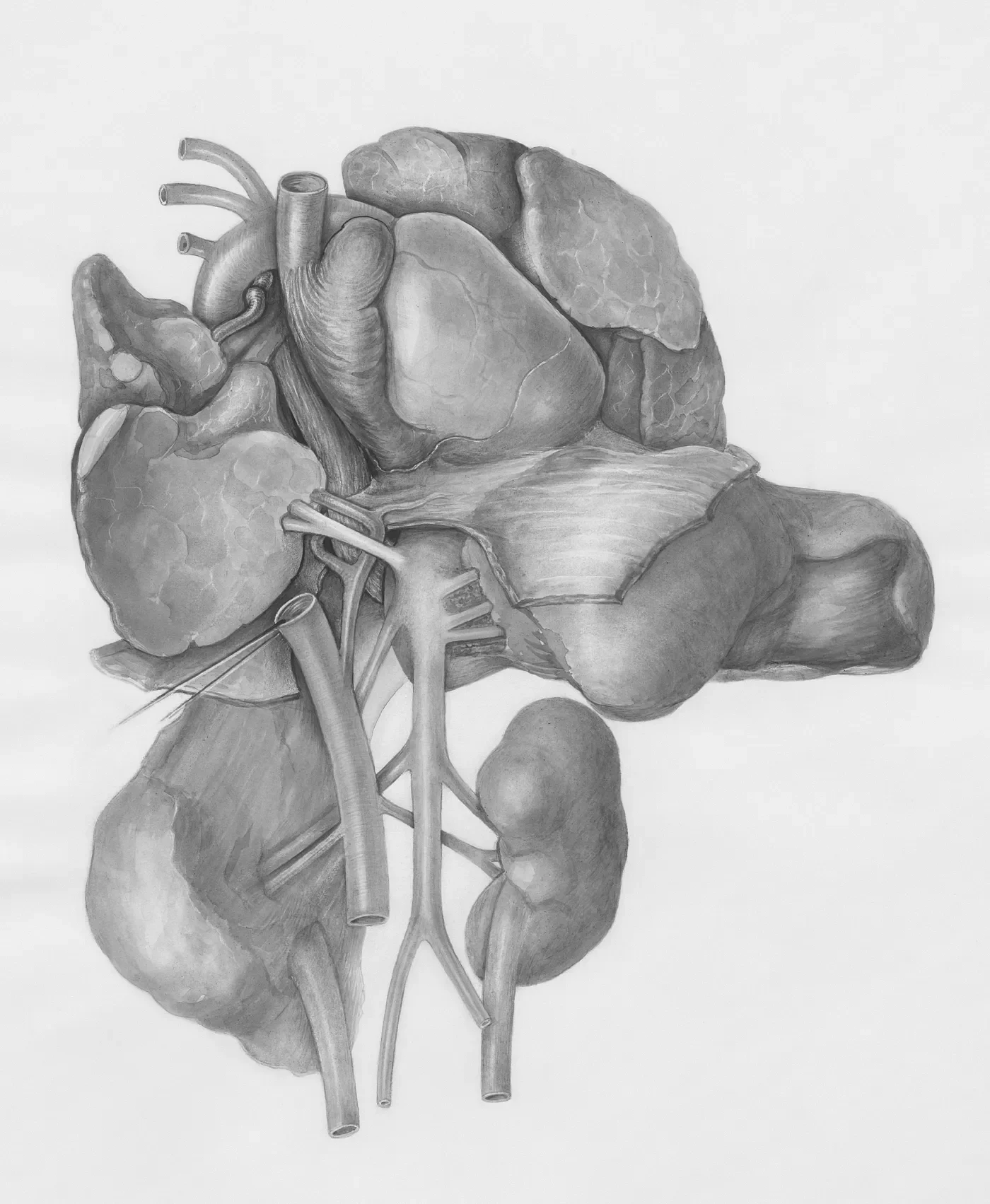
In high school I’d spend most of my time either working at a local pizza shop or driving my dad to his dialysis appointments. At least once a week I’d drive him to our local grocery store called Pik-Kwik. He liked to putz around the aisles without any intention or care. I think he liked the sense of normalcy and freedom it gave him.
Those drives to and from his appointments or the jaunt to the market were the times my dad and I felt the closest. As a teenager the last thing I wanted to do was cart my dad around. But I also knew that those times would be special.
It was during those car rides that my dad told me about his dad and what had happened. Maybe the very real feeling of mortality was present. He’d never talk about his dad before.
He told me a story about how the night of his dad’s funeral service he had a dream about fighting Death. A ten year-old boy taking jabs and screaming at Death to bring back his father.
I’d ask questions. “What was his dad like?” “What did he do with him?” “What was his favorite food?” Anything to learn about a man who without him I wouldn’t exist.
Sadly, my dad didn’t remember. Or maybe he didn’t want to remember.
Press enter or click to view image in full size
Photo by Nick Wright on Unsplash
There are two distinct memories I have of my dad. And they’re the two memories that I’ve shared with my wife. And in time they are the stories I will share with my boys, when the time is right.
The first memory I have of my dad is after his dialysis appointments.
Late at night when I’d come home from work, and usually inebriated to some extent, the door to my parent’s bedroom door would be opened just a bit. My mother would be asleep in bed. My dad would be sitting in his recliner. A long tube connected him to a machine that booped and beeped like a mechanical lullaby. In an odd way the tube that helped flush his kidneys was like an umbilical cord. The first gave cord life; the second kept him alive.
He’d sit and stare out the window. No emotion on his face. His eyes opened but his mind was somewhere else. He wasn’t staring at anything I could see. It’s as if the moon gave enough light for me to see him deep in his mind, visualizing and thinking about things I’ll never know.
I’d sit in a chair in the kitchen that was adjacent to my parent’s bedroom and watch my dad. He never knew I saw him. I sat quietly, not wanting him to come back from wherever he was. I never asked him about those moments. I like to think he was replaying happy moments from his life. Telling himself stories of better days. Something to keep his spirits up.
But as human behavior is wont to do, I think he sat and replayed those decisions in his life that altered everything that happened to him. The smoking. Poor diet. Settling for a job he didn’t want. The poor finances. The years of struggle. The fighting with family and friends. He danced with regret. An unwilling partner at a party he never dreamed of attending.
Even as a young man, a teenager, a complete moron at times, I sat and watched my dad night after night. For years. And in those moments I learned something. The choices we make today will define our actions tomorrow. And I knew that I never wanted to sit in a dark room, attached to a machine, and stare out the window.

Photo by Kayle Kaupanger on Unsplash
The other story I have is when I left for San Francisco when I was twenty.
A few years prior I dropped out of community college to study acting. I was flying out to San Fran because I wanted to attend the American Conservatory of Theatre. Like I had seen my dad so many nights before, sitting in a recliner and staring out the window, I wanted to take a chance and do something no one in my family ever dreamed of doing.
My parents drove me to the airport. It was May 2nd. A Tuesday. I gave a hug and kiss to my mom. My dad sat in the passenger’s seat. He was a bit tired from the night before. He gave me a kiss and hug and said, “I love you and have fun.”
I boarded the plane and left home.
The next night I got back to my hotel room from walking the streets of San Fran. The air was cool and crisp.
The telephone in my hotel room rang. My sister said, “You’ve got to come home.” Her voice cracked.
“Why?” I said.
“Just come home,” my sister repeated. Her breathing was heavy, fast, intense.
It took a few minutes. The reluctance from my sister gave way to the truth. My dad passed away.
I was 2,000 miles away. What was I going to do? How do I get home? What happened? Why is this happening? So many thoughts. I felt hopeless and alone and abandoned. Three feelings I promised I would never make anyone feel again. And now that I have kids, I’ve promised to never make them feel the way I felt that night.

Photo by Federico Giampieri on Unsplash
Whenever I spend time with my boys, whether it’s riding a bike, tossing a football, or swimming in the pool, they always ask me if I did those things with my dad, too. Like they’re looking for some connection between me and a man they’ve never met but know existed at one point.
I’ve never told them either the stories I shared with you. They’re too young to understand. In time I will.
But I’m lying if I said that I struggle with the milestone moments in their life and not having my dad or grandfather there. Luckily they have my wife’s parents, who are fantastic role models for my kids.
I watch my boys closely to see if there is anything they do or say that reminds me of my dad. We all have those mannerisms and ways of being that remind us of another relative. Proof that personality is genetic, in some odd way.
My boys have my dad’s fingers. The square, stocky shape that I remember comforting me when I was sick. The same hands but in the body of two young boys.
I hear my maternal grandmother’s cackle when my oldest son laughs. My youngest son looks exactly like his mother’s brother.
Since I’ve never heard my grandfather’s voice and don’t know what he looks like, any commonalities they have from him is lost to telescopes and blood tests.
For me the lesson through all this is that my father’s story and my grandfather’s story will live on through me and hopefully pass along to my kids.
Yes, the story remains the same, but it’s not about twists and turns, it’s about remembering someone whose existence made your existence possible. It’s about knowing and honoring family members who came before you and in some weird, alchemical way, are partially responsible for who you are.
My dad’s mistake was that he never shared much of his father’s story with me. And as long as my sons keep asking, I will keep telling and sharing his.
As the years tick away and my boys grow older, I’m hoping they learn that being a parent is being a storyteller. I am a keeper of stories that have been passed along to me and in doing so I am keeping a lineage of men in my family alive (I also share stories about other family members.)
I take every moment that I can, whether I’m tired from the day’s work, or annoyed by the stupidity of adulthood, I remind myself of what stories I want my sons to share about me. How will my life and legacy continue to live on? What might my grandkids or great-grandkids learn about me? How will the stories shared about me create relationships with family who are not even a thought?
Teaching my sons to be storytellers is one of the most magical gifts I can give. It’s a superpower. There is great power and responsibility. It connects children, to parents, to grandparents, and so on up and down the family tree.
In some ways a family is a collection of stories a group of people share amongst themselves and pass along to future generations.
When my youngest son prefaces his questions with, “when you were a boy…” then I know I have an opportunity to not only pass along my story, but in doing so, I’m teaching him to be aware of the story he’s living and the responsibility he has for keeping me alive well beyond the death of my body.
Parenting as myth-making.