From Seed to Sense: Model Sentences from Barbara Kingsolver
Three sentences to study from the author of The Poisonwood Bible, Demon Copperhead, and Animal Dreams, quotes about reading fiction and looking at the world through the eyes of a scientist, and more.
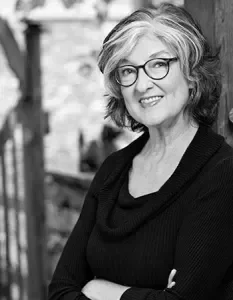
Photo credit unknown
My introduction to the work of Barbara Kingsolver was teaching The Poisonwood Bible to my AP Literature students in East Los Angeles. My students were first-generation Latinos and they LOVED the book. They related to and had comments and opinions about the themes presented in the book. But what they really loved was HOW Kingsolver wrote. Her prose is poetic, insightful, and approachable. A master storyteller and writer who is appreciated and respected by high school students and literati alike.
Three Questions to Ask When Studying Sentences
Use these three guiding questions to help you study the model sentences below and to write your own:
How is the sentence structured, and why does that structure work?
What literary or rhetorical devices are being used, and how do they enhance the sentence?
How does the sentence create emotion, and what techniques contribute to that effect?
Three Sentences by Barbara Kingsolver to Study and Imitate
Sentence #1
“What I want is so simple I almost can’t say it: elementary kindness.”
Practice: Try this sentence frame using a topic from your writing.
What I want is _____ I almost _____ : _____ (define it)
Here’s an example I came up with.
What I want is so powerful I almost can’t contain it: happiness.
Sentence #2
“The power is in the balance: we are our injuries, as much as we are our successes.”
Practice: Try this sentence frame using a topic from your writing.
The _____ is in the _____ : (pronoun) is/are _____, as much as (pronoun) is/are _____.
Here’s an example I came up with.
The dream is in the choices we make: we are our habits as much as we are our thoughts.
Sentence #3
“The wonder is that you could start life with nothing, end with nothing, and lose so much in between.”
Practice: Try this sentence frame using a topic from your writing.
The wonder is that you could start _____, end _____ , and lose so much in between.
Here’s an example I came up with.
The wonder is that you could start a business with no capital, end with a multi-million dollar exit, and lose so much of yourself in between.
Your Turn: Use the model sentences and frames to craft your own sentences and post them in the comment section below.
Two Quotes by Barbara Kingsolver on reading fiction and looking at the world through the eyes of a scientist
Quote #1
“Readers of fiction read, I think, for a deeper embrace of the world, of reality. And that’s brave. I never get over being thankful for that - for the courage of my readers.”
Journal Prompt: To what extent do you think being a reader of fiction is courageous? Why do you read fiction? What do you think is the connection between reading fiction and understanding the human experience?
Quote #2
“I’ve always seen the world through the eyes of a scientist. I love the predictable outcomes that science gives us, the control over the world that that can render.”
Journal Prompt: Through what eyes do you view the world? How so? What shaped and influenced that perspective? How has that perspective influenced your creativity?
One Cool Thing - Barbara Kingsolver on Being a Writer
“This secret world I could enter,” says Barbara to the host of interview when she recounts her first encounter with the library in her home town, which was conveniently or not located on the second floor of where people paid their electric bill. It’s a short, snippet of a longer interview, but this one is a goodie for hearing Barbara’s take on what it means to be writer.
Help Spread the Word
If you found this writing lesson helpful, here are three ways you can help:
Leave a comment below about what you like and any tips for making it more helpful.
Share this writing lesson with a friend who wants to improve their writing.
Click on the Subscribe button.