
Writing Workshop
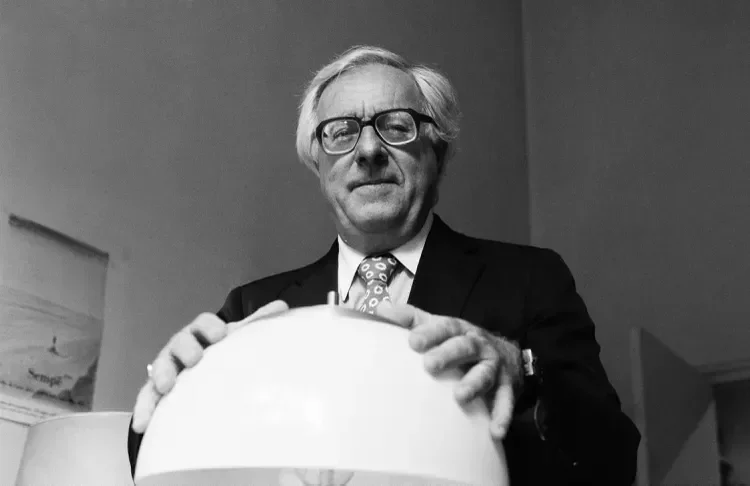
The Fool at the Beginning and the Fool at the End: Model Sentences from Ray Bradbury
Ray Bradbury writes like a dream teetering on the edge of a nightmare. His writing is vivid, lyrical, and charged with emotion. His style blends the wonder of childhood with the dread of what’s lost as we age.
Bradbury’s sentences pulse with rhythm, metaphor, and a kind of poetic urgency, as if the words themselves can barely keep up with the force of his imagination. Reading him feels like being told a secret you were never meant to hear, but can’t stop thinking about once you do.
Let’s explore his writing style in three sentences from Fahrenheit 451, Dandelion Wine, and Something Wicked This Way Comes.

One Gunshot, Two Narratives: What Makes "Doctor Chevalier's Lie" by Kate Chopin Great?
Kate Chopin is know for her exploration of complex human emotions and societal expectations of women. Chopin uses “Doctor Chevalier’s Lie” to investigate the intersection of morality, compassion, and deception.
Chopin’s work is no stranger to What Makes This Short Story Great? series. The first Post was “The Night Came Slowly.” Where the first story was more meditative and atmospheric, “Doctor Chevalier’s Lie” is a character-driven story. It’s the perfect story to analyze from both a reader’s and writer’s perspective.

Creatures of Consequence: Model Sentences from Zadie Smith
Zadie Smith writes like a mind on fire. Her writing is sharp, lyrical, and curious. Her style lives within the tension between intellect and emotion and mixes philosophical insight with street-smart observation.
Whether she’s crafting a novel or an essay, Smith’s sentences sing with rhythm and bite with contradiction. Reading her work feels less like being told a story and more like being invited into a conversation about what it means to be human.
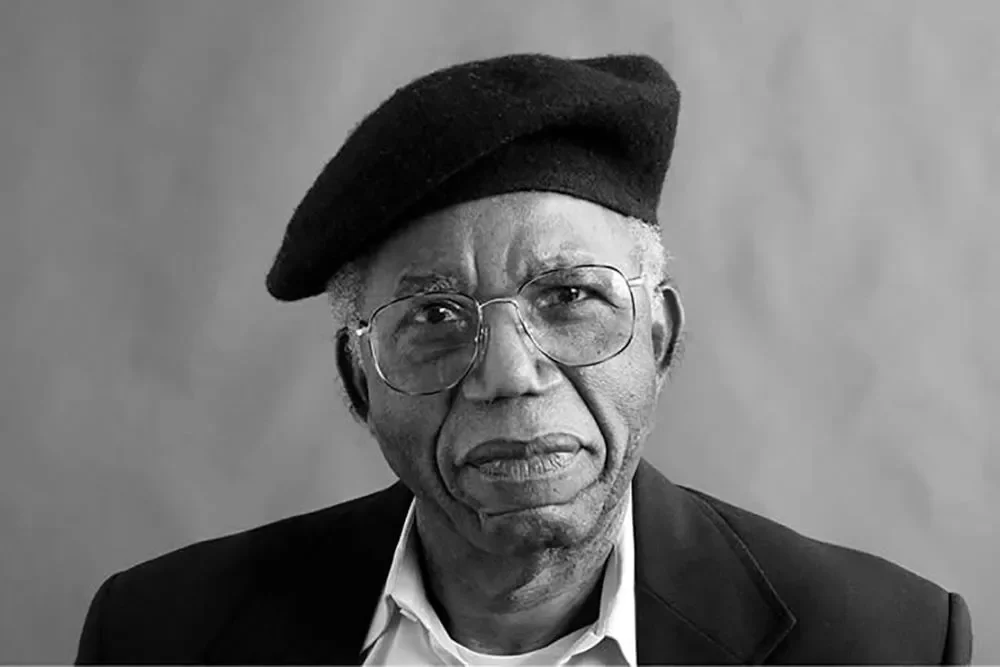
The Voice of the Villagers: Model Sentences from Chinua Achebe
Chinua Achebe, the Nigerian novelist, poet, and essayist, is widely regarded as the father of modern African literature and one of the most important literary figures of the 20th century.
Best known for Things Fall Apart, Achebe gave voice to precolonial African societies and the complexities of colonial disruption through clear and powerful prose. By fusing oral traditions with Western narrative techniques, he redefined the African novel in English and challenged dominant Western portrayals of the continent. Achebe’s work is marked by its cultural depth, political insight, and profound humanity.
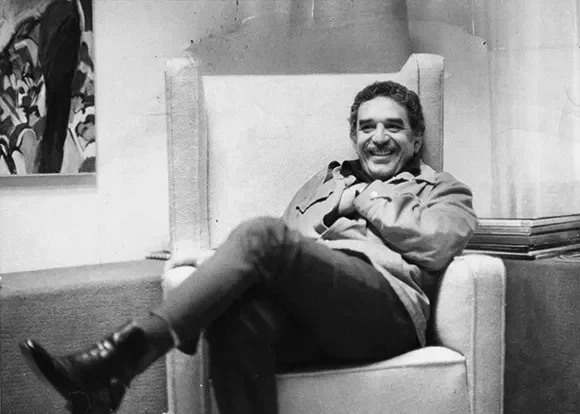
Love in the Time of Syntax: Model Sentences from Gabriel Garcia Marquez
Gabriel García Márquez, the Colombian novelist, journalist, and Nobel Laureate, is one of the most influential literary voices of the 20th century. Best known for One Hundred Years of Solitude and Love in the Time of Cholera, his work blends the everyday with the extraordinary and by doing so pioneered the genre of magical realism. Through lyrical prose, intricate storytelling, and a deep exploration of history, politics, and human emotion, García Márquez crafted narratives that feel both intimate and mythic.

Lines That Cut Fast and Deep: Model Sentences from Stephen King
The master of horror is also a master of style and insights into the human experience. Reading and studying King are two different exercises in brilliance. His command of story structure, characterization, and pacing is equally matched by his command of phrasing, word choice, and syntax. The best question to ask yourself when reading King is: How’d he do that?

From Seed to Sense: Model Sentences from Barbara Kingsolver
My introduction to the work of Barbara Kingsolver was teaching The Poisonwood Bible to my AP Literature students in East Los Angeles. My students were first-generation Latinos and they LOVED the book. They related to and had comments and opinions about the themes presented in the book. But what they really loved was HOW Kingsolver wrote. Her prose is poetic, insightful, and approachable. A master storyteller and writer who is appreciated and respected by high school students and literati alike.

When the Bear Wears the Tent: What Makes "A Tent in Agony" by Stephen Crane Great?
Sometimes the most fearful moment is also the most humorous.
A sudden thud in the middle of the night turns out to be an iPad sliding off a table and slamming against the ground.
Or when you hear a sound in a dark room and it turns out to be your dog snoring.
The human psyche loves to generate a sense of fear in the most mundane of situations and circumstances. We let our anxiety get the best of us. Our inner storyteller hears a sound and immediately thinks a slasher will jump out and hack us to bits.
It’s the thin line that carefully binds fear, anxiety, and humor together that is the focus of Stephen Crane’s short tale, “A Tent in Agony.” A wonderful, quick read that is incredibly relatable and does a fantastic job at exploring the comedic side of fear and exaggerated panic.
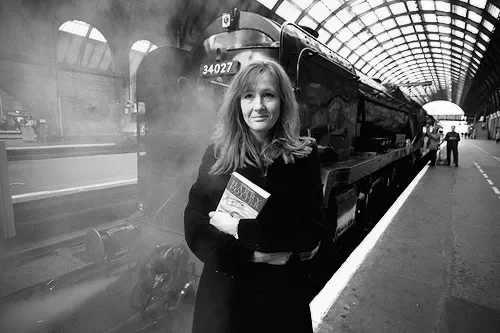
From Platform 9¾ to First Paragraph: Model Sentences from J.K. Rowling
J.K. Rowling is to young adult fantasy as Stephen King is to horror: a master of a genre and a master of style and craft. Harry Potter is a vivid, astute, and charismatic invention of Rowling’s imagination. And, yet, as engaging and enthralling of a world as Hogwarts, it’s her meticulous attention to styling engaging and enthralling sentences that grips the reader’s imagination.
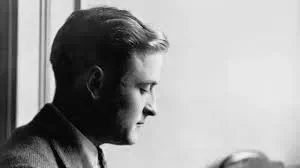
Careless People, Careful Prose: Model Sentences from F. Scott Fitzgerald
The Jazz Age. Excess. Gilded mansions. Extravagant parties. Alcohol and debauchery. Is there any wonder why Fitzgerald is so well-loved and read? His stories span the strata of society in the 1920s. And his prose is just as luxurious and lustful as the romances and relationships in his novels. To study his prose is to feel what it’s like sipping champagne with Zelda and F. Scott at a dinner party on Long Island.
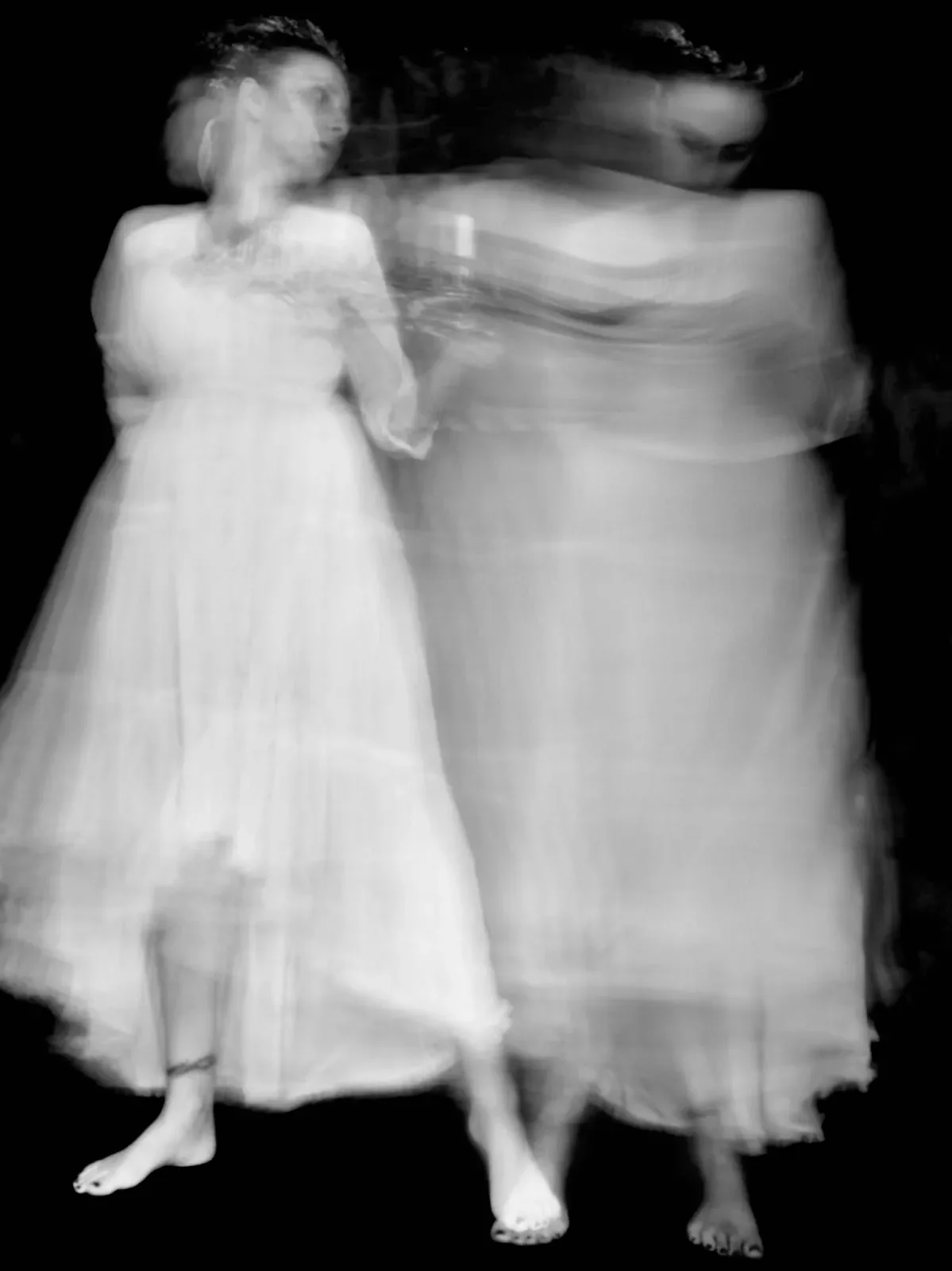
The Treasure is a Heartbeat: What Makes “A Haunted House” by Virginia Woolf Great?
I’m excited to share this little yet powerful story of Woolf’s that I think is the perfect representation of all of her writings: poetic, haunting, intentional, layered, and, more importantly, human.
Woolf’s “A Haunted House,” is a story that unfolds in quiet glimmers of meaning and gently asks the reader to listen closely for what’s just beneath the surface.
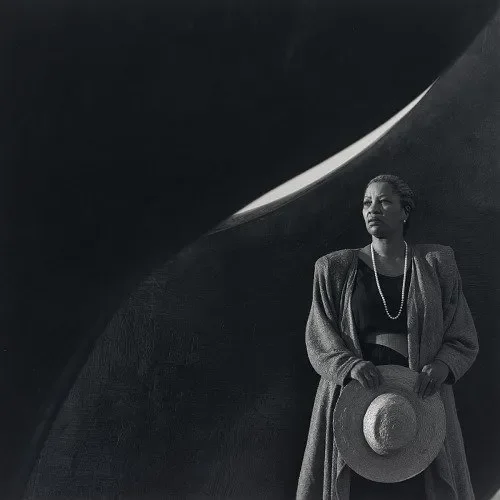
Free the Sentence, Free the Story: Model Sentences from Toni Morrison
Toni Morrison is a damn American icon and true artist. She is strongest when society is at its worst. She is a reminder that words are more than scribbles on the page; they have meaning and meaning has action. The Bluest Eye and Beloved deserve their place in the American literary pantheon. As does the rest of her oeuvre. Take some time and study her writing. Breathe it in. Let it wash over you. And imagine her strong yet delicate voice speaking directly to you.

Buried Once, Told Twice: What Makes "A Man with Two Lives" by Ambrose Bierce Great?
I admit it.
When it comes to unreliable narrators, I’m as lost and confused as a parent helping their 10 year-old kid with their math homework.
Even though I struggle to comprehend and understand stories that employ unreliable narration, I’m often thinking about them long after the reading (or viewing) is done.
The first time I encountered an unreliable narrator in fiction, I didn’t recognize it right away. I took the story at face value, only to realize later that the protagonist’s version of events didn’t quite add up. That moment—when certainty slipped into ambiguity—changed the way I read stories. It made me a better, more careful reader.
It also changed the way I wrote stories.
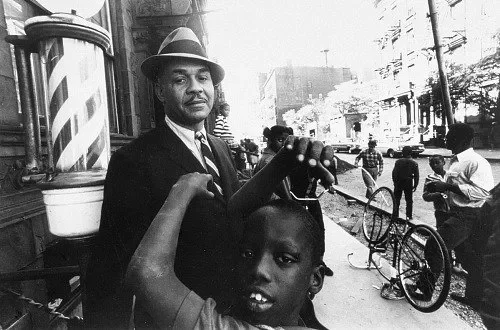
Blues in A Minor: Model Sentences from Ralph Ellison
Ralph Ellison is a writer I know of but know very little about. I read Invisible Man in college and loved it. But since that decades old reading I haven’t touched the book or Ellison’s other writings. As I thought about this Model Sentences project I wanted to push myself into reading and researching writers who are recognizable in name but don’t get enough honest attention from the general reading public. But what I found (or was reminded of) when prepping this issue, is that Ralph Ellison is a MASTER of the written word. A true genius more people should study.

Sleep with One Eye Open: What Makes "An Uncomfortable Bed" by Guy de Maupassant Great?
Writing stories is hard. Writing funny stories is even harder. Writing funny stories that are suspenseful and have a twist ending are stupidly difficult.
And I suck at writing all three.
But you know who doesn’t? Guy de Maupassant.
Yeah, I bet you haven’t heard that name in a long time (if at all).
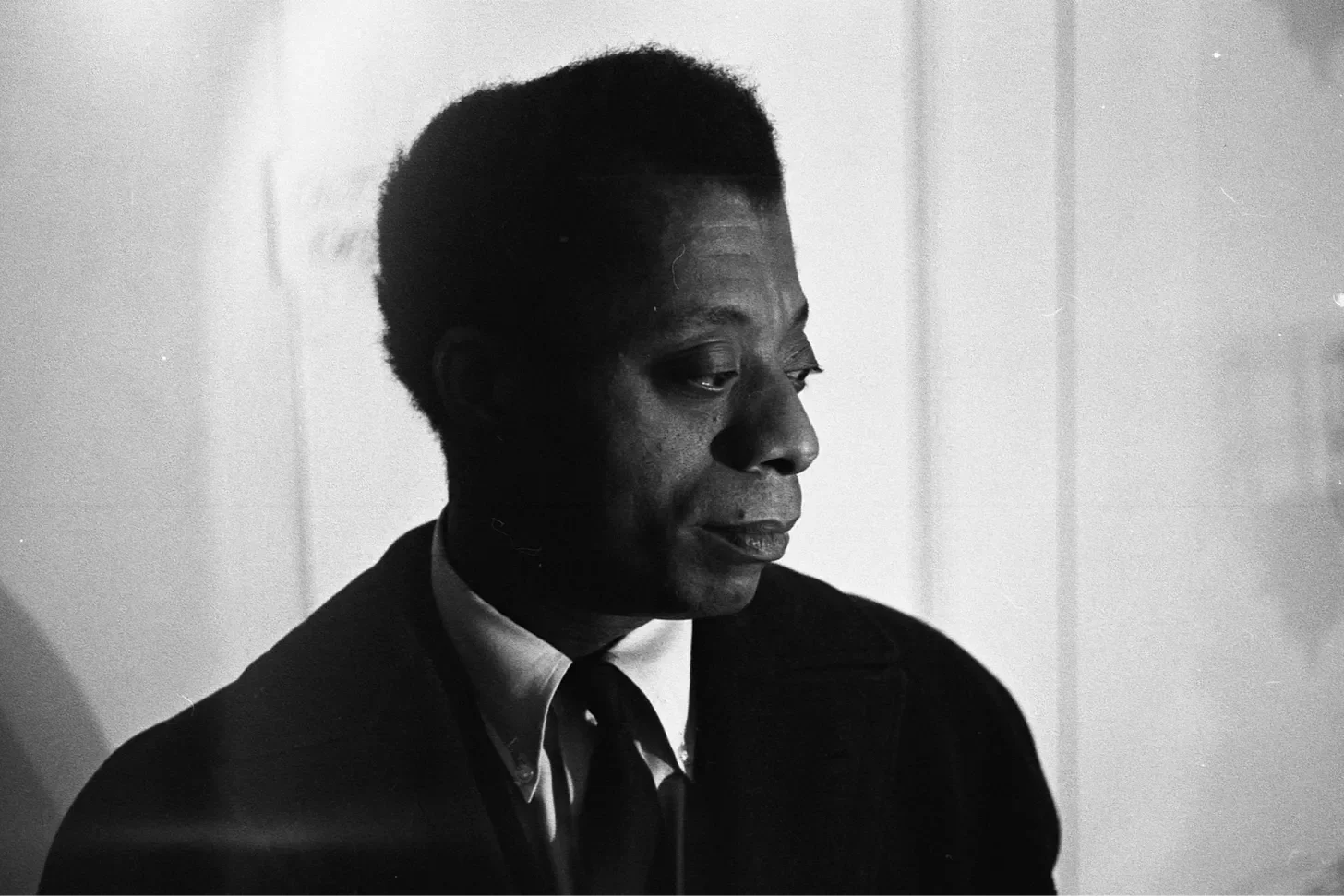
Rage, Mercy, and the American Mirror: Model Sentences from James Baldwin
No writer in the last 100 years has the command of the English language in writing and in speech like James Baldwin. Gifted, thoughtful, articulate. Baldwin is the type of writer whose ideas of race and identify dazzle in stories and in essays. His style is feverish and energetic. To write like Baldwin is like a sprinter running a marathon: it’s fast and it doesn’t stop.

Ask the Stars: What Makes “The Night Came Slowly” by Kate Chopin Great?
The night is when the writer comes out to play.
There’s a distinct kind of stillness that descends on a writer late at night, the kind where distractions fade, and the world feels suspended in time. It’s in these moments, staring out at a darkened sky or hearing the rustle of leaves, that I’ve often found myself reading, studying, and thinking about stories like Kate Chopin’s “The Night Came Slowly.”
Chopin’s brief (it’s about 500 words) yet profound story reminds me why I write: to capture fleeting feelings, to explore the tensions between humanity and solitude, and to seek meaning in the smallest moments.
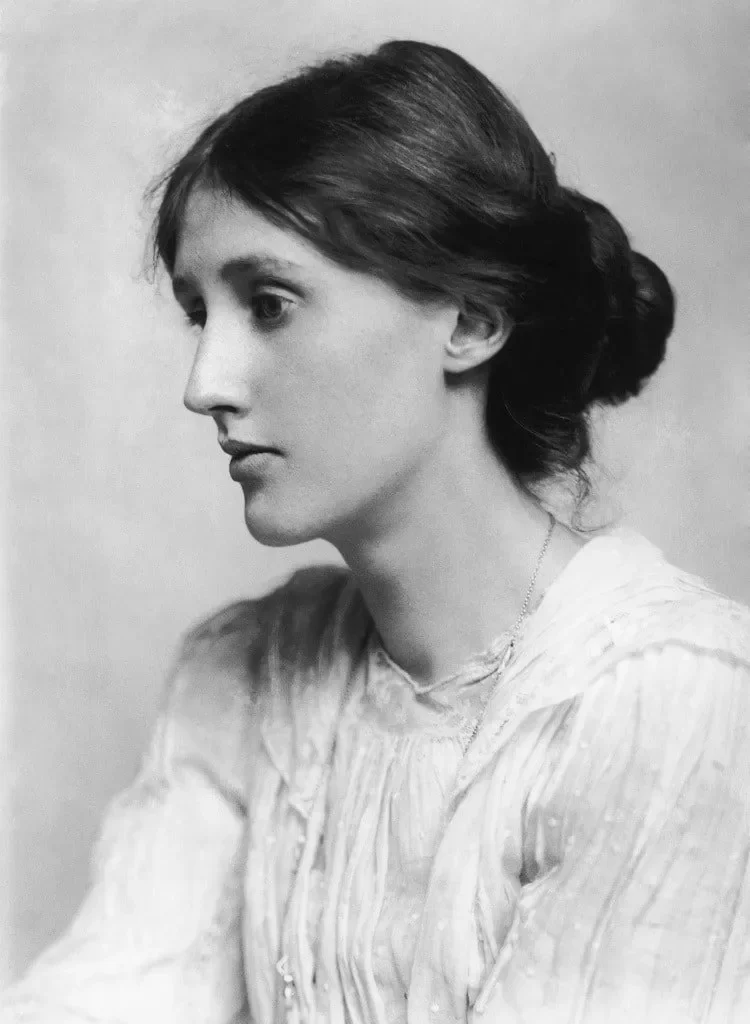
Where the Light Matters: Model Sentences from Virginia Woolf
When I think of perfect writing, something that tickles my senses and makes me contemplate my own existence while also probing my own emotions, I think of Virginia Woolf. Introspective, lyrical, visionary. A writer’s writer whose stories and style are a masterclass in using words to comfort the reader’s soul on this grand journey we call life.

Chimes, Shadows, and “You”: What Makes “The Haunted Mind” by Nathaniel Hawthorne Great?
I’m going to take a wild guess and say that when you first saw the name Nathaniel Hawthorne you thought of those crappy high school essays about The Scarlet Letter, or maybe you remember slogging through a horrible lesson of “The Minister’s Black Veil.” Ah, how high school English does a fantabulous job utterly sucking the marrow of life from great works.
Well, you’re in for a doozy of a treat because I’m going to attempt to make a weird, obscure, ridiculously difficult to read meditative short story called “The Haunted Mind” seem fun, cool, and a great model to write some cool shit.
Wish me luck!
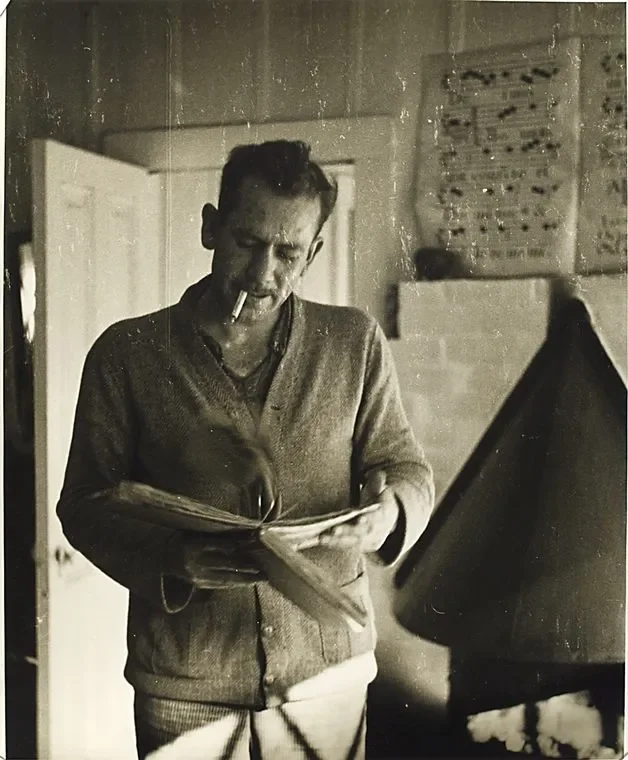
Dust, Ditches, and Clean Verbs: Model Sentences from John Steinbeck
A writer of the common man and the farm worker, John Steinbeck’s novels and stories express the dreams, desires, and hardships faced by everyday people trying to eke out a living. His writing is descriptive, oddly prophetic, and sorrowful. Studying the words and style of John Steinbeck offers a unique glimpse into an artist who was both in tune with the hardships of everyday life while expressing the innate drive to survive inside us all.