The Fool at the Beginning and the Fool at the End: Model Sentences from Ray Bradbury
Three sentences to study from the author of Fahrenheit 451, Dandelion Wine, and Something Wicked This Way Comes. Plus, quotes about writing science fiction and more.
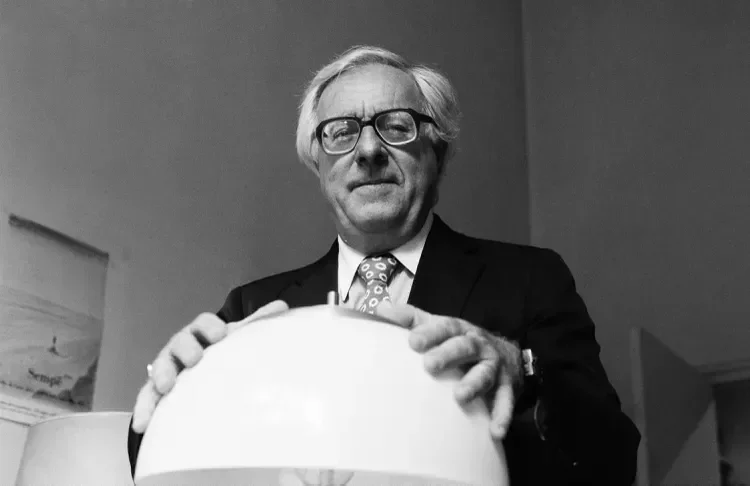
Portrait of writer Ray Bradbury, 1978.
Sophie Bassouls / Sygma via Getty Images
Ray Bradbury writes like a dream teetering on the edge of a nightmare. His writing is vivid, lyrical, and charged with emotion. His style blends the wonder of childhood with the dread of what’s lost as we age.
Bradbury’s sentences pulse with rhythm, metaphor, and a kind of poetic urgency, as if the words themselves can barely keep up with the force of his imagination. Reading him feels like being told a secret you were never meant to hear, but can’t stop thinking about once you do.
Let’s explore his writing style in three sentences from Fahrenheit 451, Dandelion Wine, and Something Wicked This Way Comes.
Three Questions to Ask When Studying Sentences
How is the sentence structured, and why does that structure work?
What literary or rhetorical devices are being used, and how do they enhance the sentence?
How does the sentence create emotion, and what techniques contribute to that effect?
Three Sentences by Ray Bradbury to Study and Imitate
Sentence #1
“There must be something in books, something we can’t imagine, to make a woman stay in a burning house; there must be something there.”
Practice: Try this sentence frame using a topic from your writing.
There must be something in [noun], something we can’t [verb], to make [someone] [an extreme action]; there must be something there.
Here’s an example I came up with.
There must be something in stories, something we can’t explain, to make an adult believe in magic; there must be something there.
Sentence #2
“The first thing you learn in life is you’re a fool. The last thing you learn in life is you’re the same fool.”
Practice: Try this sentence frame using a topic from your writing.
The first thing you learn [in/about] [noun, an area of life] is you’re a [noun]. The last thing you learn [in/about] [repeat] is you’re the same [noun].
Here’s an example I came up with.
The first thing you learn about parenting is you know nothing. The last thing you learn about parenting is you still know nothing.
Sentence #3
“He knew what the wind was doing to them, where it was taking them, to all the secret places that were never so secret again in life.”
Practice: Try this sentence frame using a topic from your writing.
[Pronoun] knew what the [something natural or an abstract idea] was doing to [pronoun], where it was taking [pronoun], to all the [adjective] [places/things] that were never so [adjective] again in [time/life/memory].
Here’s an example I came up with.
They knew what the music was doing to them, where it was taking them, to all the memories of golden summers that were never so golden again.
Your Turn: Use the model sentences and frames to craft your own sentences and post them in the comment section below.
Two Quotes by Ray Bradbury on writing science fiction and the image in the mirror
Quote #1
“Science fiction is any idea that occurs in the head and doesn’t exist yet, but soon will, and will change everything for everybody, and nothing will ever be the same again. As soon as you have an idea that changes some small part of the world you are writing science fiction. It is always the art of the possible, never the impossible.”
Journal Prompt: Which genre do you mostly write? What are your thoughts and beliefs about that genre? Or, to be more direct, what is the genre really about?
Quote #2
“In my later years, I have looked in the mirror each day and found a happy person staring back. Occasionally I wonder why I can be so happy. The answer is that every day of my life I’ve worked only for myself and for the joy that comes from writing and creating. The image in my mirror is not optimistic, but the result of optimal behavior.”
Journal Prompt: How do you balance the hope and optimism you may have while writing (and I’m assuming you do) with the possible drudgery of having to work another job or have another career to pay your bills, etc.? What do you do to reframe your mindset to stay positive as a writer?
One Cool Thing - Top 10 Ray Bradbury short stories
The originator of the suggestion to write a story a week for a year because you can’t write fifty-two bad stories was one hell of short story writer. My personal favorite is “Here There Be Tygers.” What’s yours?
Help Spread the Word
If you found this writing lesson helpful, here are three ways you can help:
Leave a comment below about what you like and any tips for making it more helpful.
Share this writing lesson with a friend who wants to improve their writing.
Click on the Subscribe button.