Rage, Mercy, and the American Mirror: Model Sentences from James Baldwin
Sentences to study and imitate from the author of Giovanni’s Room, If Beale Street Could Talk, and Just Above My Head, quotes about writing to change the world and the purpose of education, and more!
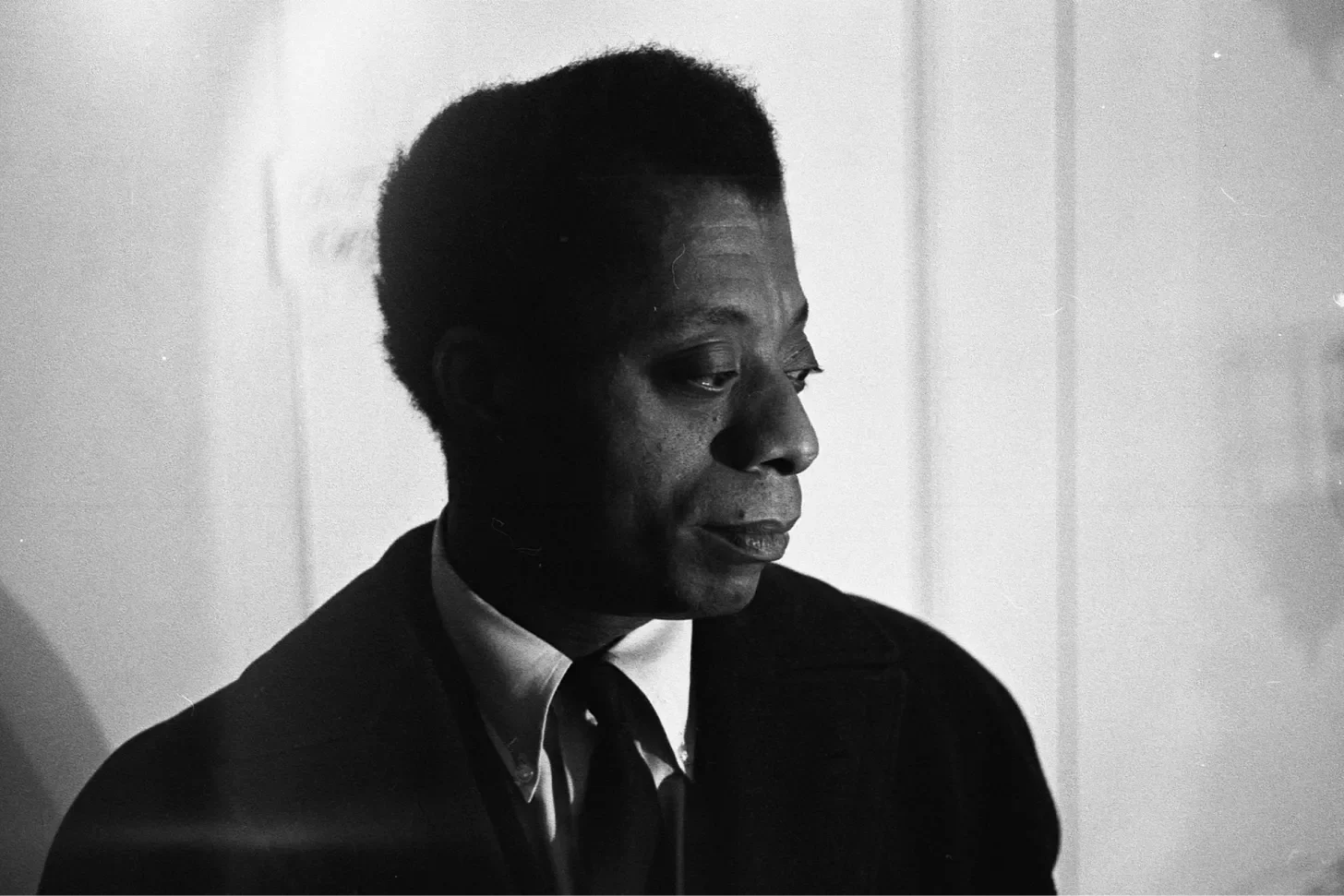
Photograph by Robert Elfstrom
No writer in the last 100 years has the command of the English language in writing and in speech like James Baldwin. Gifted, thoughtful, articulate. Baldwin is the type of writer whose ideas of race and identify dazzle in stories and in essays. His style is feverish and energetic. To write like Baldwin is like a sprinter running a marathon: it’s fast and it doesn’t stop.
Three Questions to Ask When Studying Sentences
Use these three guiding questions to help you study the model sentences below and to write your own:
How is the sentence structured, and why does that structure work?
What literary or rhetorical devices are being used, and how do they enhance the sentence?
How does the sentence create emotion, and what techniques contribute to that effect?
Three Sentences by James Baldwin to Study and Imitate
Sentence #1
“Perhaps home is not a place but simply an irrevocable condition.”
Practice: Try this sentence frame using a topic from your writing.
Perhaps _____ is not _____ but simply _____.
Here’s an example I came up with.
Perhaps time is not a condition but simply a relationship with memories.
Sentence #2
“Time could not be bought. The only coin time accepted was life.”
Practice: Try this sentence frame using a topic from your writing.
____ can/could not be ____. The only ____ accepts/accepted is/was ____.
Here’s an example I came up with.
Friendship cannot not be bargained. The only requirement friendship accepts is trust.
Sentence #3
“Love forces, at last, this humility: you cannot love if you cannot be loved, you cannot see if you cannot be seen.”
Practice: Try this sentence frame using a topic from your writing.
_____ forces, at last, this truth: you cannot _____ if you cannot be _____, you cannot _____ if you cannot be _____.
Here’s an example I came up with.
Sharing your writing forces, at last, this truth: you cannot grow as a writer if you cannot be vulnerable, you cannot grow as an artist if you cannot be exposed for who you really are.
Your Turn: Use the model sentences and frames to craft your own sentences and post them in the comments below.
Two Quotes by James Baldwin on writing to change the world and the purpose of education
Quote #1
“You write in order to change the world ... if you alter, even by a millimeter, the way people look at reality, then you can change it.”
Journal Prompt: Why do you write? Or, more specifically, what would you like to change in the world through your writing?
Quote #2
“The purpose of education…is to create in a person the ability to look at the world for himself, to make his own decisions.”
Journal Prompt: Education is something everyone experiences. And because of that common experience, everyone has an opinion about it. And in a world in which a virus altered how we view work and life, education was finally forced to look at itself in the mirror. With that, what do you think is the purpose of education?
One Cool Thing - James Baldwin’s 321 Word Sentence
James Baldwin wrote some fantastic, and incredibly long sentences. His ability to articulate ideas with clarity, passion, and energy is unmatched in all of literature and letters. Pick up any of his books or skim through any of his numerous essays and you’ll find sentences of dizzying complexity yet perfectly descriptive of the characters, themes, and emotions he was writing about.
In this cool blog post by Cole Schafer, he breaks down a beautiful 321-word sentence from Baldwin’s essay, Nothing Personal.
Help Spread the Word
If you found this writing lesson helpful, here are three ways you can help:
Leave a comment below about what you like and any tips for making it more helpful.
Share this writing lesson with a friend who wants to improve their writing.
Click on the Subscribe button.