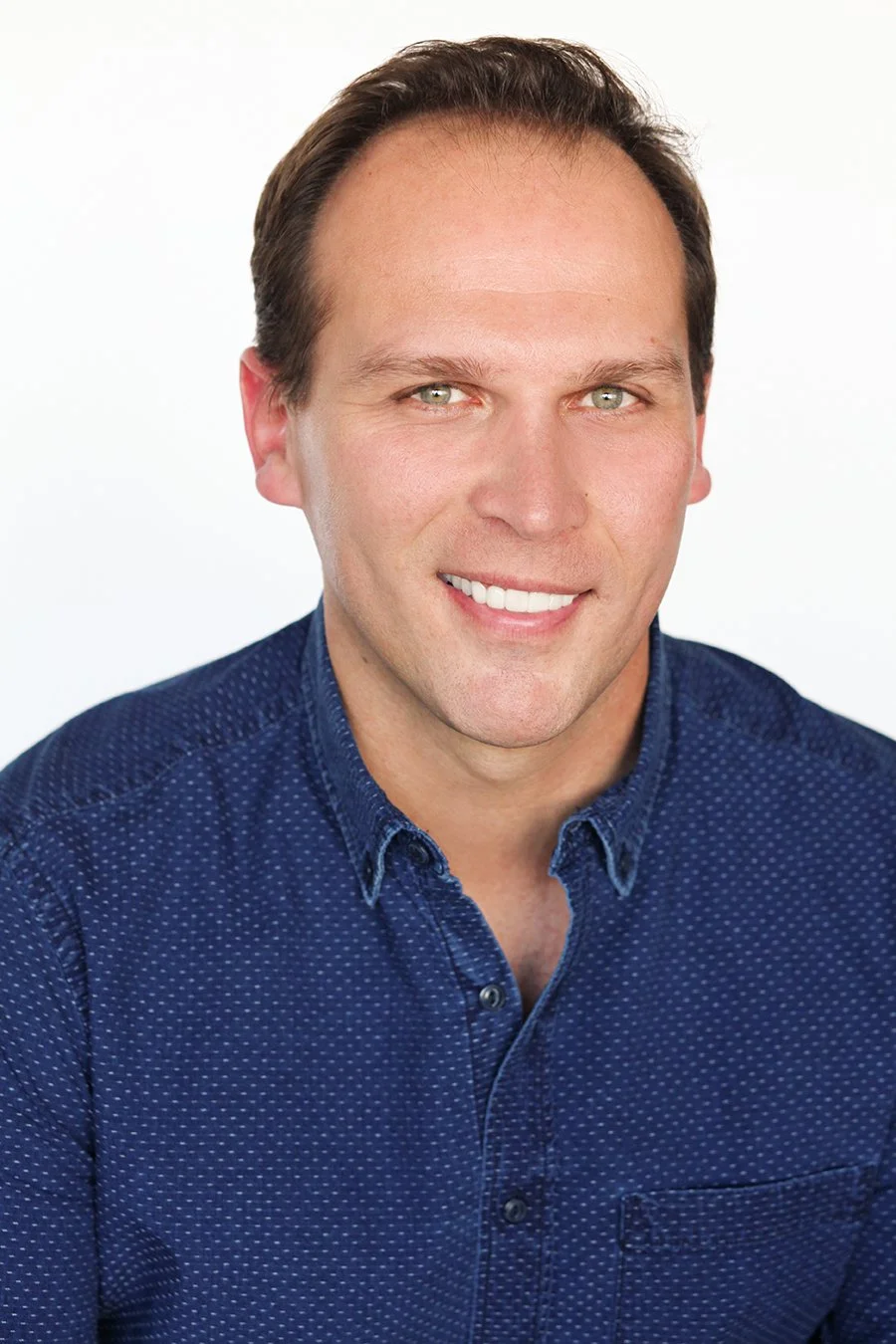
Hi, I’m Frank!
Welcome to my online studio. I write fiction and essays about a variety of themes and ideas, including: father/son relationships, reinvention/transformation, identity, coming of age, circle of life, and the intersection of creativity, art, and business. I like to explore different genres and forms, challenging myself to be creative and vulnerable.
Short Stories
RECENT SHORT STORIES
“I love short stories because I believe they are the way we live. They are what our friends tell us, in their pain and joy, their passion and rage, their yearning and their cry against injustice.”
A collection of imaginative and experimental short stories that explore themes of humanity, abandonment, transformation, and the unexpected. Each story is crafted to inspire, entertain, and spark curiosity, offering a meaningful escape into a world that feels all too familiar.
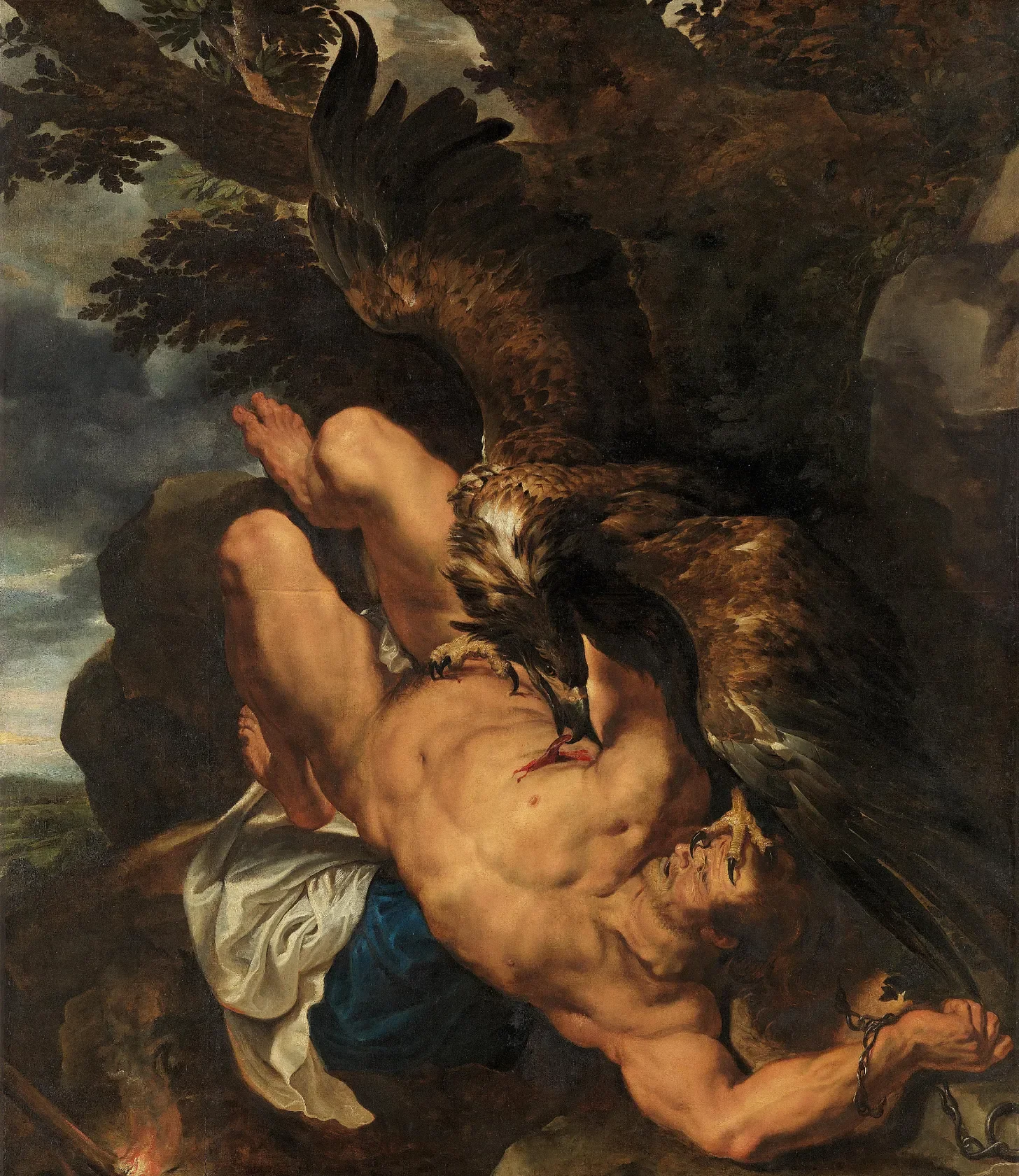
“A Fated Feast” is inspired by Prometheus Bound (1611–1618), a painting by Peter Paul Rubens and Frans Snyders, which captures the brutal torment of Prometheus as Zeus’ eagle relentlessly devours his regenerating flesh.
While the painting focuses on Prometheus’ suffering, this story shifts the perspective to the Eagle, transforming it from a mindless enforcer of divine will into a being capable of self-awareness, doubt, and existential horror.
Through this lens, “A Fated Feast” explores fate, free will, and the nature of oppression and explores the idea that Prometheus is not the only prisoner of the gods.
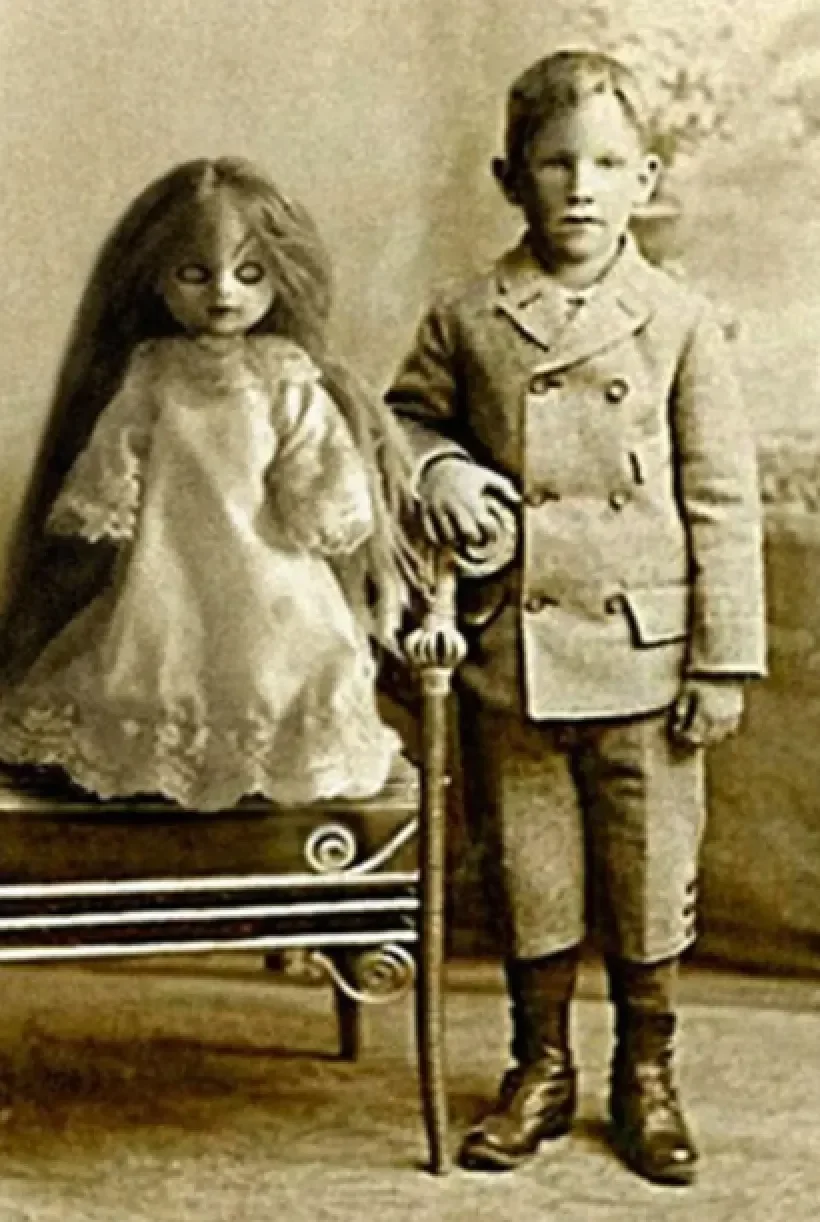
Anderson Bailey was a young boy from Galena, Illinois, a quiet and quaint town northwest of Chicago.
Around six or seven years old, Anderson began playing with an imaginary friend named, “Miley.”
On the top left is a large magnet in the shape of a cougar’s paw. It’s ready to rip into flesh. Across the paw in scripted font is: Riverdahl Elementary.
The once white surface is yellowed from decades of cigarette smoke and burnt food.
In the summer of 2007, we first sat on the beach and watched the waves ebb and flow for the first time.
The city was strange and unkind. But the beach was home.
WRITING WORKSHOP
Ray Bradbury writes like a dream teetering on the edge of a nightmare. His writing is vivid, lyrical, and charged with emotion. His style blends the wonder of childhood with the dread of what’s lost as we age.
Bradbury’s sentences pulse with rhythm, metaphor, and a kind of poetic urgency, as if the words themselves can barely keep up with the force of his imagination. Reading him feels like being told a secret you were never meant to hear, but can’t stop thinking about once you do.
Let’s explore his writing style in three sentences from Fahrenheit 451, Dandelion Wine, and Something Wicked This Way Comes.
RECENT WRITING LESSONS
“Most writing is done between the mind and the hand, not between the hand and the page.”
Explore lessons that open up the machinery of great writing: from single, luminous sentences to full stories. Model Sentences breaks down exemplary lines from the works of master writers, while What Makes This Short Story Great? reveals the narrative moves that make masterworks unforgettable.
Ray Bradbury writes like a dream teetering on the edge of a nightmare. His writing is vivid, lyrical, and charged with emotion. His style blends the wonder of childhood with the dread of what’s lost as we age.
Bradbury’s sentences pulse with rhythm, metaphor, and a kind of poetic urgency, as if the words themselves can barely keep up with the force of his imagination. Reading him feels like being told a secret you were never meant to hear, but can’t stop thinking about once you do.
Let’s explore his writing style in three sentences from Fahrenheit 451, Dandelion Wine, and Something Wicked This Way Comes.
Kate Chopin is know for her exploration of complex human emotions and societal expectations of women. Chopin uses “Doctor Chevalier’s Lie” to investigate the intersection of morality, compassion, and deception.
Chopin’s work is no stranger to What Makes This Short Story Great? series. The first Post was “The Night Came Slowly.” Where the first story was more meditative and atmospheric, “Doctor Chevalier’s Lie” is a character-driven story. It’s the perfect story to analyze from both a reader’s and writer’s perspective.
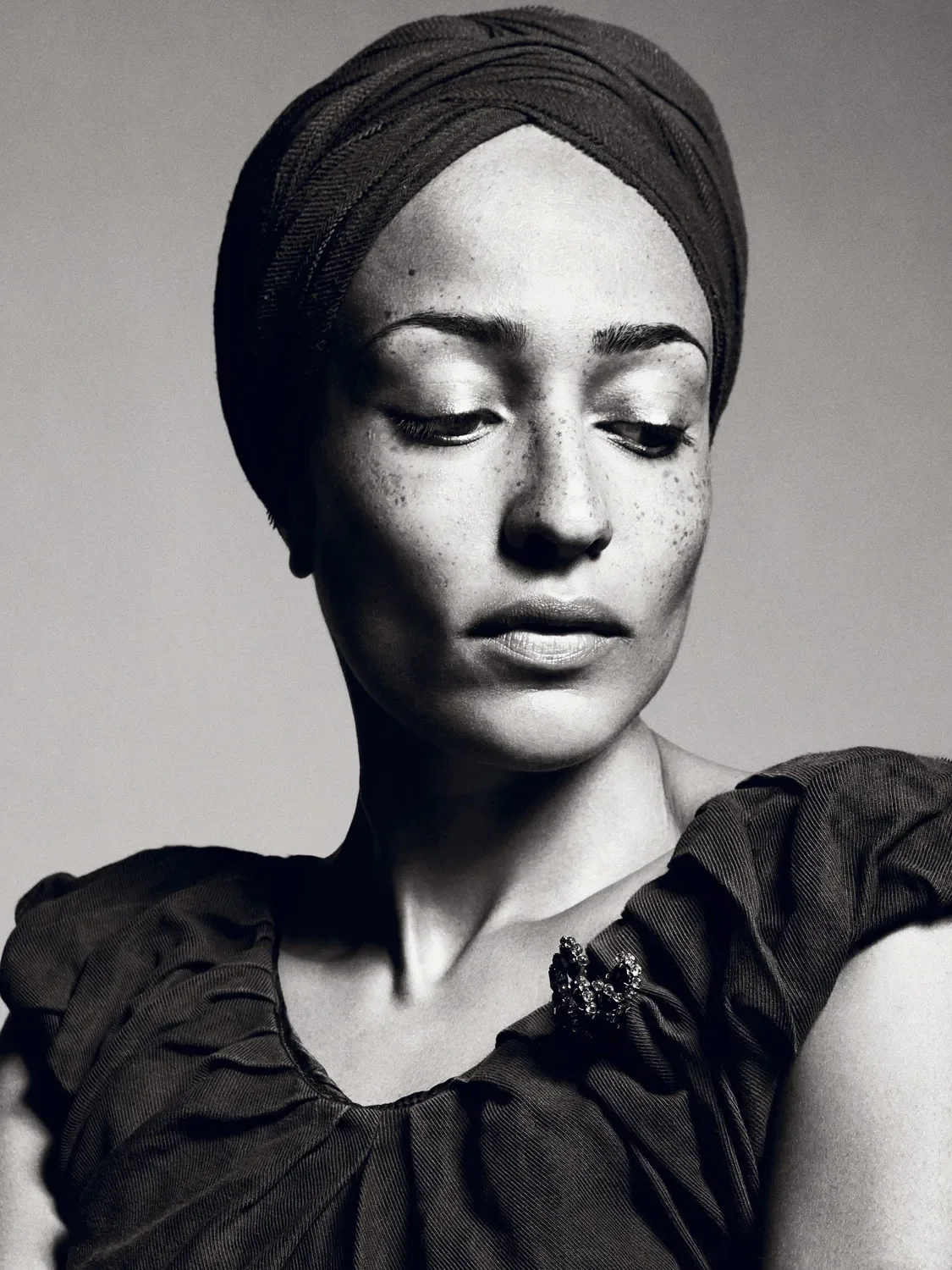
Zadie Smith writes like a mind on fire. Her writing is sharp, lyrical, and curious. Her style lives within the tension between intellect and emotion and mixes philosophical insight with street-smart observation.
Whether she’s crafting a novel or an essay, Smith’s sentences sing with rhythm and bite with contradiction. Reading her work feels less like being told a story and more like being invited into a conversation about what it means to be human.
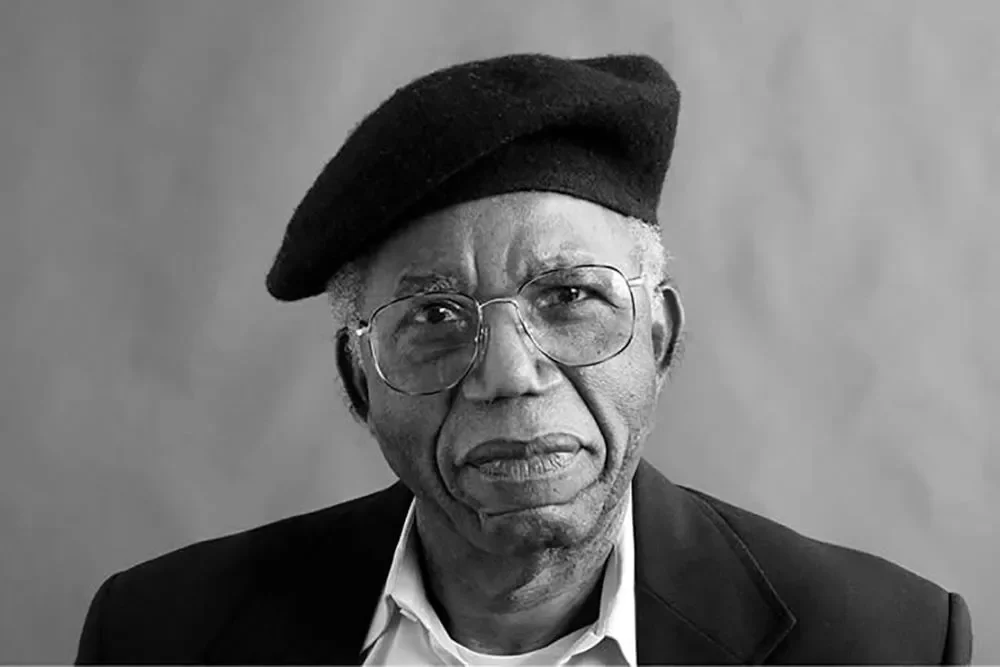
Chinua Achebe, the Nigerian novelist, poet, and essayist, is widely regarded as the father of modern African literature and one of the most important literary figures of the 20th century.
Best known for Things Fall Apart, Achebe gave voice to precolonial African societies and the complexities of colonial disruption through clear and powerful prose. By fusing oral traditions with Western narrative techniques, he redefined the African novel in English and challenged dominant Western portrayals of the continent. Achebe’s work is marked by its cultural depth, political insight, and profound humanity.
Essays
Beads of sweat drip down my forehead. My breath labors. My heart beats faster and faster and faster. “Everything will be okay,” I whisper to myself before panic sets in. “It’s only a few few minutes and then the charade is over.”
But I know better. The experience will be chiseled into my memory. A voice inside challenges me. I shouldn’t be here. I must be here. I can’t go on. I must go on.
RECENT ESSAYS
“An essay is a thing of the imagination. If there is information in an essay, it is by-the-by, and if there is an opinion, one need not trust it for the long run. A genuine essay rarely has an educational, polemical, or sociopolitical use; it is the movement of a free mind at play.”
Essays for readers and writers who like their insight grounded in lived moments. These essays explore how stories and lives are made and shared. Brief, introspective, and honest.
Beads of sweat drip down my forehead. My breath labors. My heart beats faster and faster and faster. “Everything will be okay,” I whisper to myself before panic sets in. “It’s only a few few minutes and then the charade is over.”
But I know better. The experience will be chiseled into my memory. A voice inside challenges me. I shouldn’t be here. I must be here. I can’t go on. I must go on.
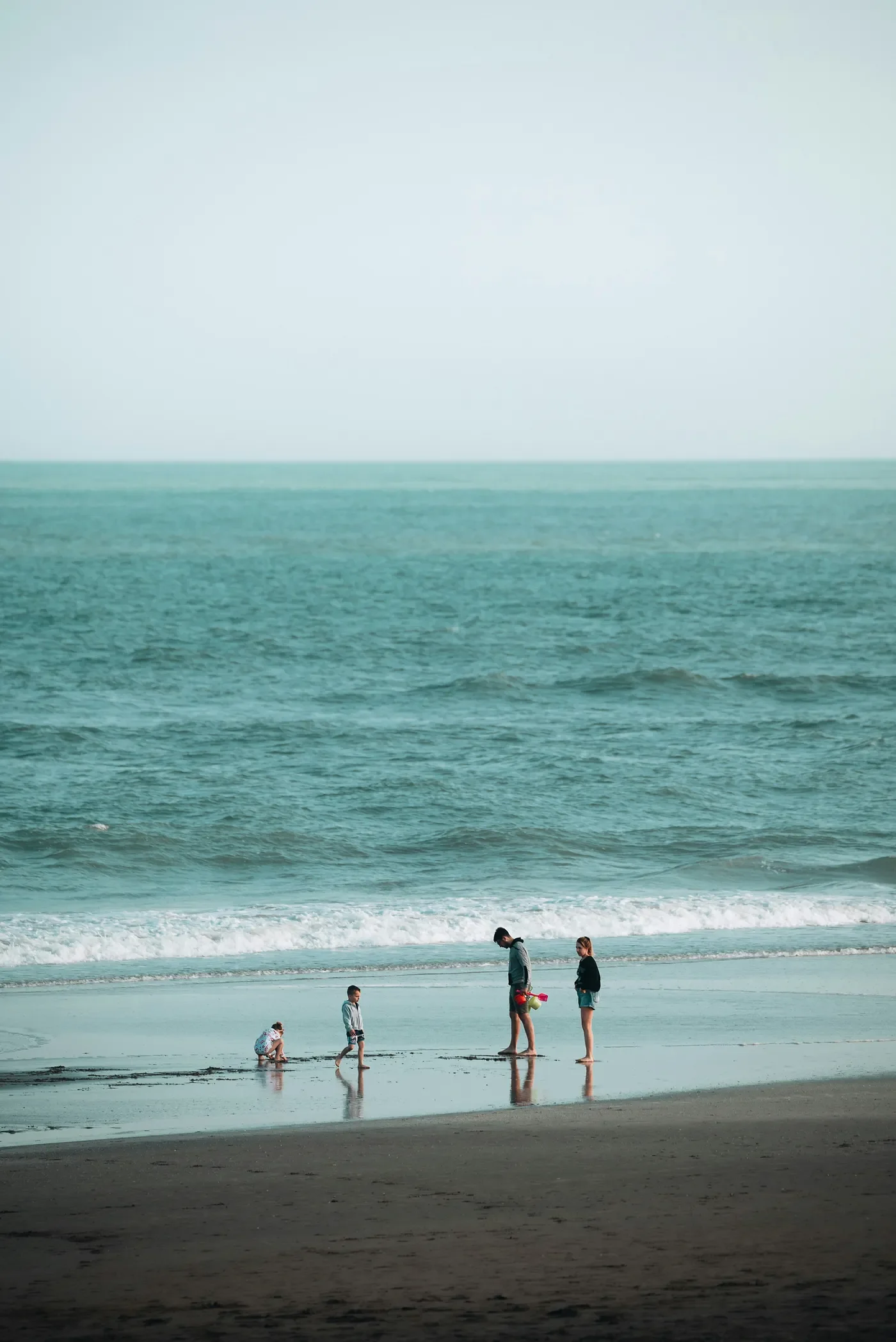
I’ll never forget the day I stood paralyzed on the shore as I watched my sons swim to the middle of the large lake. I tried with every fiber of my being to jump in the water and swim with them and enjoy the perfect Saturday afternoon.
But an invisible force took control of my body. I couldn’t move.
Perched on our driveway is an old, worn out adjustable basketball hoop. The kind you pull a pin in the back to adjust the height to seven feet to practice windmill dunks.
In the spring, a bird comes by and pecks off a piece of the brittle net and uses it to build a nest in our backyard. The cracked plastic base houses crickets and spiders and tiny lizards that scurry out whenever I move it. Two five-pound bags of sand resting on the base make sure it doesn’t fall over when there’s a slight breeze.
The hoop is a piece of shit.
Let’s start with the beginning…as I know it.
His name was Frank Walter Tarczynski. But his name could’ve been Francis. Or it might have been a Polish version of Frank such as Franciszek.
He was born sometime in 1911 in Chicago, Illinois. When he was 20 he married a woman named Victoria. Not much is known or remembered about her either.
Figments & Fragments
RECENT POSTS
“A writer, I think, is someone who pays attention to the world.”
Figments & Fragments is my living sketchbook of short, exploratory ideas and observations: scenes, questions, and impressions that test voice, perspective, and shape. Each entry is designed to inspire, entertain, and kindle curiosity.
“A Fated Feast” is inspired by Prometheus Bound (1611–1618), a painting by Peter Paul Rubens and Frans Snyders, which captures the brutal torment of Prometheus as Zeus’ eagle relentlessly devours his regenerating flesh.
While the painting focuses on Prometheus’ suffering, this story shifts the perspective to the Eagle, transforming it from a mindless enforcer of divine will into a being capable of self-awareness, doubt, and existential horror.
Through this lens, “A Fated Feast” explores fate, free will, and the nature of oppression and explores the idea that Prometheus is not the only prisoner of the gods.